Hard water is not a Surprise-specific problem, but Surprise’s specific water source makes its hard water profile worth understanding in detail. The City of Surprise draws primarily from the Central Arizona Project, a 336-mile canal system delivering Colorado River water across Arizona. That source water carries dissolved minerals that accumulate in your plumbing, appliances, and fixtures at a rate that consistently surprises homeowners who have relocated from softer-water regions.
What the Central Arizona Project Delivers to Your Tap
The Colorado River picks up dissolved minerals as it flows through the Colorado Plateau and the canyon country of the American Southwest, with the mineral content increasing as the river flows south and as more agricultural return flows re-enter the channel. By the time this water travels through the CAP canal from Lake Havasu City to the Waddell Canal in western Maricopa County and reaches your tap in Surprise, it carries significantly more dissolved calcium and magnesium than the water supplies in most major US cities.
City of Surprise Water Resources and EPCOR Water, which serve different parcels within the city, both deliver this same CAP-sourced supply. The treatment processes the utilities use, including chloramine disinfection, remove biological threats but do not reduce hardness minerals, because doing so at utility scale would require reverse osmosis for the entire supply, which is cost-prohibitive. Treatment for hardness is left to individual homeowners.
What Hard Means: Grains Per Gallon in Surprise
Water hardness is measured in grains per gallon (GPG) of dissolved calcium and magnesium. The general classification scale: 0 to 1 GPG is soft, 1 to 7 GPG is moderately hard (US national average is around 7 GPG), 7 to 10 GPG is hard, and above 10.5 GPG is very hard. Surprise CAP water measures 12 to 20 GPG depending on the season and the specific blend of CAP, SRP, and groundwater supplementation in use at a given time. That is roughly double the national average and falls in the upper range of the very hard classification.
What Hard CAP Water Does to Surprise Plumbing and Appliances
- Inside water heater tanks: calcium sediment settles at the bottom, insulating the burner area, forcing longer heating cycles, shortening the heating element life, and degrading the anode rod faster.
- On faucet aerators and showerheads: calcium deposits build up at the flow restrictor, narrowing the opening and reducing pressure until the aerator or head is replaced or soaked in descaler.
- On glass shower doors: calcium and magnesium leave the white mineral film that requires significant effort to remove and returns within weeks after cleaning.
- Inside the dishwasher: scale deposits on the spray arms and heating element, reducing cleaning effectiveness and shortening appliance life.
- Inside washing machines: scale deposits on drum seals and heating elements, particularly in warm or hot wash cycles.
- In supply lines: over decades, a mineral coating builds inside copper and PEX supply lines, gradually narrowing the effective internal diameter and reducing flow throughout the home.
Treatment Options for Surprise Hard Water
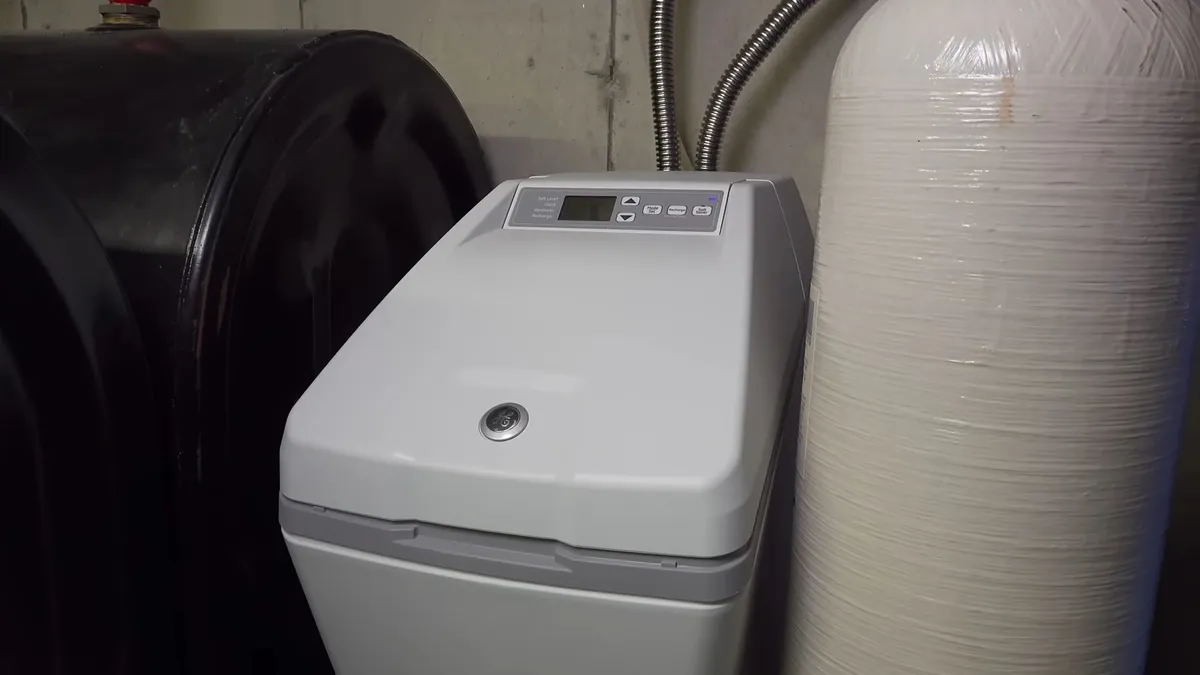
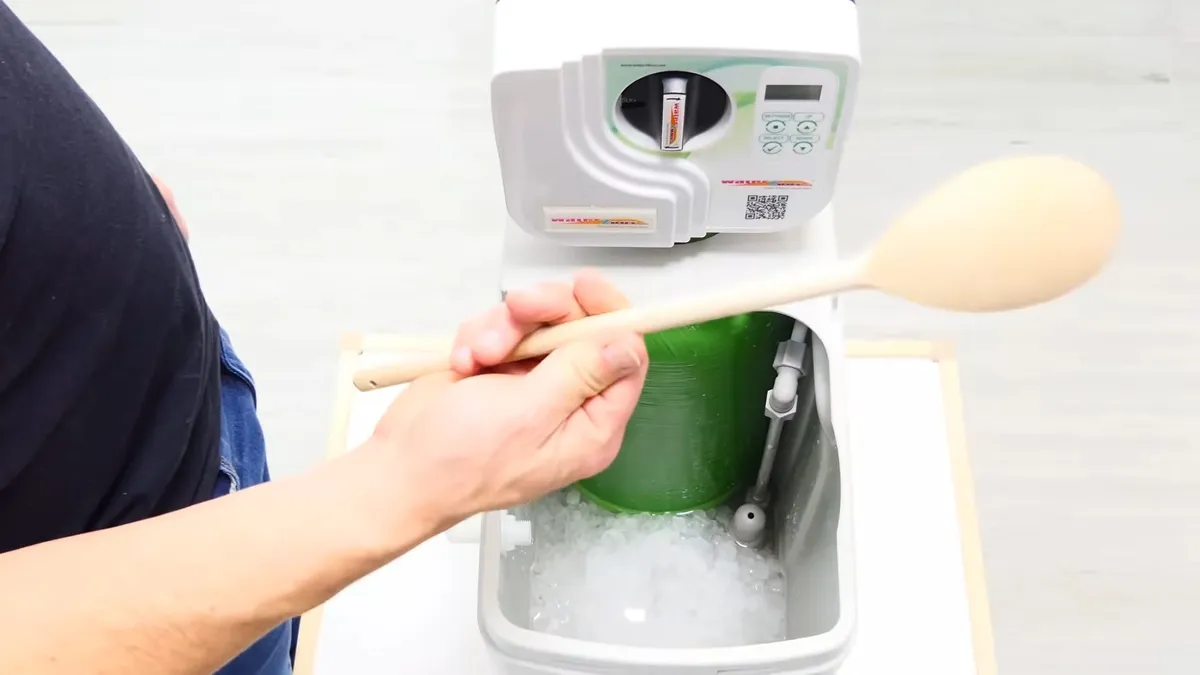
The most effective treatment for Surprise hard water at the household level is a whole-house water softener, which uses ion exchange to remove calcium and magnesium from the entire supply before it reaches any fixture or appliance. The softener replaces the hardness minerals with sodium, which does not deposit scale. The trade-off is a modest sodium addition to the water supply that is within dietary guidelines for most people but is a consideration for those on sodium-restricted diets.
A whole-house catalytic carbon filter addresses a different set of concerns: chloramine taste and odor from the municipal treatment process. Carbon filtration does not remove hardness. The two systems serve different purposes and are often installed together. For drinking water specifically, an under-sink reverse osmosis system removes hardness minerals, softener-added sodium, chloramines, arsenic, and most other dissolved substances, producing water approaching laboratory purity at the kitchen tap.
How to Know What Treatment Is Right for Your Surprise Home
The right water treatment combination for a Surprise home depends on your priorities. If appliance protection and fixture maintenance reduction are the primary goals, a correctly sized whole-house water softener addresses the hardness that drives both. If taste and drinking water quality are the concern, an under-sink RO system addresses what the softener leaves behind. If chloramine odor is the complaint and hardness is already managed, a catalytic carbon filter is the targeted solution.
A water test at the tap is the most accurate starting point. We provide water hardness measurements during service calls and can recommend the appropriate treatment system for the specific results at your Surprise address. See our water softener installation page for detail on sizing and installation.
Dealing with scale deposits, appliance wear, or water quality concerns in Surprise?
Call (623) 253-0178