
Slab Leak Detection & Repair in Surprise, AZ
Slab leaks are one of the most common plumbing calls in Surprise, AZ. The combination of caliche soil beneath slab-on-grade foundations, hard Central Arizona Project water that accelerates copper corrosion, and seasonal temperature cycling creates conditions where supply-line failures under the concrete are a routine occurrence in every Surprise ZIP code.
Call (623) 253-0178A slab leak is a failure in a water supply line or drain line that runs beneath the concrete foundation of your home. Because the pipe is embedded in or beneath the slab, the leak is hidden. Water can migrate through the concrete and surrounding soil for weeks before any visible sign appears at the surface, and by then the damage may include wet subflooring, warped hardwood, saturated drywall, and early stages of mold growth. The water bill typically rises first, often by $50 to $200 per month, before any physical damage becomes visible.
Surprise's housing stock spans from 1960s ranch homes near the original Bell Road corridor to master-planned communities built in the 2000s and 2010s. Both eras carry slab leak risk, but for different reasons. Original Surprise homes built before the 1980s may still have galvanized steel supply lines, which corrode from the inside out over decades. Copper-plumbed homes throughout Sun City Grand, Marley Park, and Asante face hard-water pitting: the calcium and magnesium dissolved in CAP Colorado River water slowly pit the outer surface of copper pipes, creating pinhole leaks that grow over time.
Signs of a Slab Leak in a Surprise Home
These are the most common warning signs of a slab leak. If you notice one or more of these, call for a professional leak detection service before additional damage accumulates:
- Unexplained increase in the monthly water bill, typically $50 to $200 higher than normal with no change in household usage habits.
- Warm or hot spots on tile, hardwood, or carpeted floors, indicating a hot-water supply-line leak releasing heat through the slab.
- The sound of running water when every fixture and appliance in the home is turned off, heard near the floor or at baseboards.
- Soft, damp, or wet areas in carpet or flooring without an obvious surface cause such as a spill or roof leak.
- Cracking or shifting in tile, flooring, or baseboards not explained by typical seasonal movement.
- Mold or mildew smell near baseboards, flooring, or at the lower sections of interior walls.
How We Detect and Repair Slab Leaks in Surprise
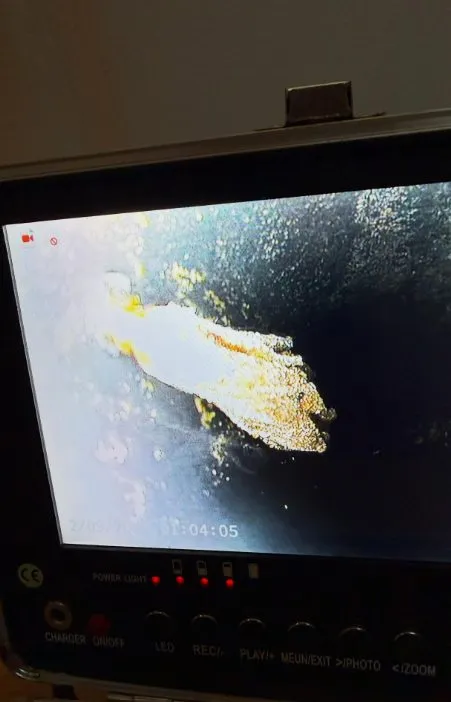
Slab leak detection starts with isolation and confirmation before any concrete work begins. We use acoustic listening equipment to pick up the sound of water escaping a pressurized supply line through the slab, and thermal imaging cameras to identify temperature differentials that reveal where hot-water lines are releasing heat. Both methods are non-destructive and allow us to pinpoint the leak location before committing to any repair approach.
Once we confirm and locate the leak, the repair method depends on the pipe type, leak location, the condition of the surrounding plumbing, and your budget. We explain all three standard repair options and their tradeoffs before any work begins:
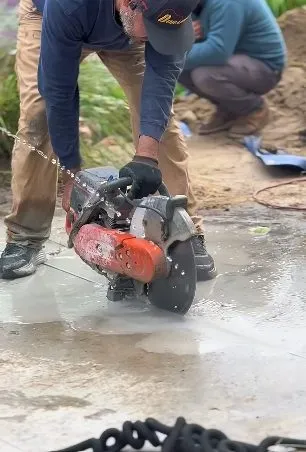
When a repair does require opening the slab, the access cut is kept to the located zone. We saw cut the concrete, break out the section over the failed line, make the repair, and patch the slab afterward. Driveway and garage slabs are cut the same way. Because that work is disruptive, we confirm the location first and present the reroute option alongside it, since running a new line overhead often costs less than opening concrete in a finished room.
- Spot repair: open the concrete directly above the confirmed leak location, repair or replace the affected pipe section, and restore the concrete. Best for isolated leaks in otherwise sound plumbing.
- Pipe rerouting: abandon the failing section and run a new supply line through walls, ceiling, or attic to bypass the slab entirely. No concrete work required. A practical option for recurring leaks or corroded systems.
- Epoxy pipe lining: inject an epoxy coating inside the existing pipe to seal the leak from the interior. A trenchless option that works in certain pipe types and configurations and is the least disruptive approach where applicable.
Why Slab Leaks Are Common in Surprise, AZ
The Sonoran desert soil under Surprise carries significant caliche, a calcium-carbonate hardpan layer that typically sits 2 to 4 feet below the surface. Caliche is rigid and does not flex with temperature changes. When the soil heats up in summer and contracts in winter, the concrete slab above the caliche experiences differential movement. Over time, that movement transfers stress to the copper lines embedded in or beneath the slab, particularly at joints, bends, and areas where pipe contacts concrete directly.
The Central Arizona Project water supplying most of Surprise is also a factor. Hard water at 12 to 20 grains per gallon carries dissolved minerals that interact with the inner and outer surfaces of copper supply lines over years. The outer surface of copper pipe in contact with alkaline concrete is subject to a corrosion process called concrete-encased corrosion, while the interior faces mineral scaling and pitting. Together, these factors make slab leaks a routine occurrence in Surprise homes of all ages, from Original Surprise to the newest Prasada and Sterling Grove builds.
Most Surprise homes are built on slab-on-grade foundations across all ZIP codes (85374, 85378, 85379, 85387, 85388). There is no crawl space or basement that would make supply-line failures immediately visible. This is why a water bill increase is often the first signal, and why homeowners sometimes delay calling for a leak check until physical damage appears. Early detection is almost always less expensive than remediation after flooring and walls have been affected.
Frequently Asked Questions
What causes slab leaks in Surprise homes?
The primary causes in Surprise are caliche-soil movement that stresses embedded copper pipes, hard Central Arizona Project water that corrodes copper surfaces, and the natural aging of supply-line materials. Original Surprise homes near the Bell Road corridor may have galvanized steel lines that corrode from the inside out. Sun City Grand and other newer communities have copper lines facing hard-water pitting and thermal-cycling fatigue. Both conditions produce leaks; the detection method and repair approach differ based on pipe type and location.
How long does slab leak detection take?
For a straightforward single-leak situation, acoustic and thermal detection typically takes one to three hours. We isolate each section of the supply system to confirm which line is leaking, then use equipment to narrow down the location before any excavation. If the plumbing system is complex, multiple leaks are suspected, or the concrete is very thick, the process may take longer. We provide an honest timeline assessment before we start and document the confirmed location with measurements before any repair begins.
Do I have to break the concrete to fix a slab leak?
Not necessarily. The repair method depends on the leak location and the overall condition of your plumbing. A pipe rerouting approach runs new lines through walls or the attic without opening the slab at all. Epoxy pipe lining is another option for some configurations. Spot repair, which does require opening the concrete at the precise leak location, is the most direct approach for isolated leaks. We walk through all three options with you before any work begins, including cost and disruption tradeoffs for each.
How much damage can an unaddressed slab leak cause?
Significant damage. Even a small pinhole leak under the slab can saturate subfloor materials, warp hardwood or laminate flooring, damage baseboards and drywall, and create the moisture conditions that mold growth requires. Structural damage to the foundation itself is possible if migrating water causes soil erosion or settling beneath the slab over time. Home insurance policies often deny long-running slab leak claims on the basis that damage accumulated gradually, which shifts the full repair cost to the homeowner. Early detection limits both the plumbing repair and the remediation scope.
Slab Leak Detection & Repair Across Surprise and Maricopa County
We provide slab leak detection & repair throughout the City of Surprise and the surrounding Maricopa County communities. A few of the areas we serve for this service:
Ready to Call a Plumber in Surprise, AZ?
Surprise AZ Plumbing Guys serves every ZIP code in the City of Surprise and surrounding Maricopa County, from Sun City Grand to Marley Park, Bell Road to the White Tank Mountains. Call any time, day or night.
(623) 253-0178