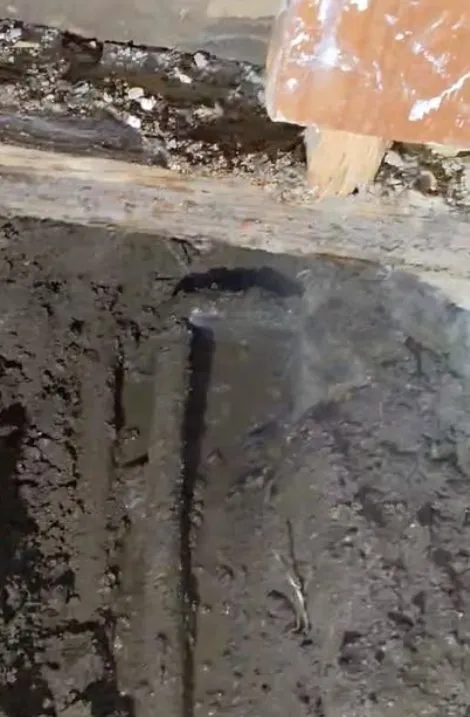
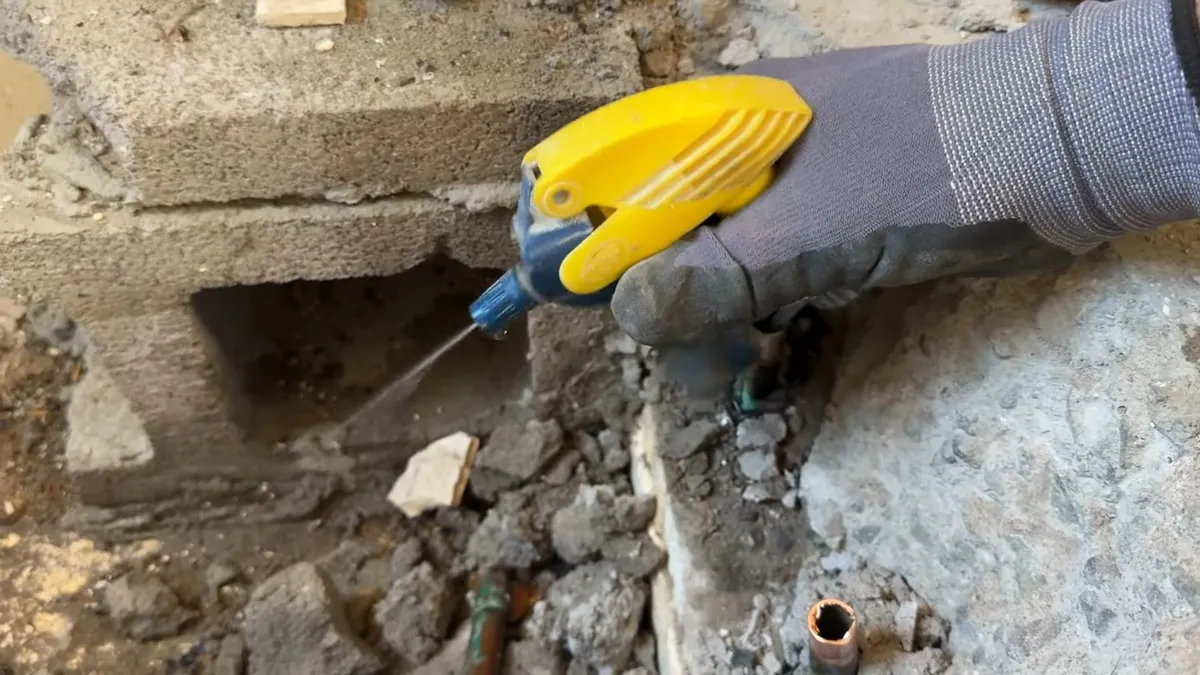
Slab leaks occur when a supply line running under or through a concrete foundation develops a failure, allowing water to escape into the concrete or the soil below. In Surprise, the combination of hard Central Arizona Project water, caliche soil under slab-on-grade foundations, and seasonal temperature swings creates a specific set of conditions that contribute to slab leaks in ways that differ from other regions. Understanding the warning signs early can prevent weeks of undetected damage to your foundation and flooring.
What Caliche Soil Means for Surprise Foundations
Caliche is a hardpan layer of calcium carbonate that forms naturally in desert soils throughout the Sonoran region, including most of Maricopa County. In Surprise, caliche layers below the slab create zones of significantly different soil density and drainage behavior. When the monsoon season brings heavy rainfall and the subsequent dry months remove that moisture, the soil movement at the transitions between caliche zones and surrounding looser soil creates stress on the embedded copper supply lines.
These stress points are different from the simple soil settling that occurs in areas without hardpan. In Surprise, the copper supply lines in the oldest homes (those built before 2005 with original copper) may be experiencing stress at caliche transition zones that took 20 years to manifest as a pinhole leak. That makes the warning signs even more important to recognize, because by the time symptoms appear, the leak may have been present for weeks.
Warning Signs of a Slab Leak in a Surprise Home
- A water bill that increases by $30 to $150 or more with no corresponding change in household usage habits. A slab leak running at modest pressure for weeks can add a surprising volume to the monthly bill.
- The sound of running water when every fixture in the home is confirmed off and no appliances are filling. This is often most audible at night when ambient noise is low.
- Warm or hot spots on a tile floor, particularly in areas away from known heat sources. A hot water supply slab leak heats the concrete above it noticeably.
- Damp or soft flooring, particularly under carpet or floating floor materials, where moisture has been wicking upward from below.
- Mold or mildew odor at floor level in one area of the home, indicating prolonged moisture contact with flooring materials.
- Cracks in tile or grout following a specific path rather than at random locations, which may indicate movement along a supply line path.
How Hard CAP Water Accelerates Copper Pipe Corrosion
Copper pipe in direct contact with concrete, or in close proximity to concrete in a wet environment, experiences a specific form of corrosion driven by the chemical interaction between the copper, the alkaline concrete, and the mineral- rich water supply. CAP water at 12 to 20 grains per gallon carries dissolved calcium, magnesium, and other minerals that can act as electrolytes in this environment, accelerating pitting of the copper exterior at the concrete contact points.
Homes in Surprise built before 2000 with original copper supply lines are the most common source of slab leak calls we receive. The 25-to-30-year mark appears to be when a significant number of these copper-in-concrete situations reach the pinhole failure point in Surprise’s specific water and soil conditions.
What Happens When You Call for Slab Leak Detection
We use acoustic listening equipment calibrated for the frequency range of water escaping a small pinhole in copper pipe, in combination with thermal imaging to identify warm surface areas above a hot water supply leak. These two methods together allow us to locate the leak within a narrow area before any concrete is opened.
Once the leak location is confirmed, the repair options are either direct repair of the failed section (small excavation at the confirmed location) or rerouting the supply line through the walls above the slab, which avoids opening concrete entirely and is appropriate when the original line shows signs of wider corrosion beyond the single pinhole. See our slab leak detection and repair service page for detail on the full diagnostic and repair process.
Repair Options After a Surprise Slab Leak Is Located
Once acoustic and thermal detection has confirmed the leak location, there are two primary repair approaches. A direct repair opens concrete only at the confirmed leak point, cuts out the failed pipe section, replaces it, and patches the concrete. This is appropriate when the failure is isolated and the rest of the copper in the slab shows no signs of wider corrosion.
A reroute abandons the failed section of pipe entirely and runs a new supply line through the walls above the slab, typically through interior wall cavities and the attic space where available. Rerouting avoids opening concrete at all and is the preferred approach when the original supply line shows multiple corrosion indicators or when previous slab leaks have occurred in the same run of pipe. It also avoids the risk of disturbing adjacent embedded pipe that may be in similar condition. We discuss both options and their costs with every Surprise homeowner before any concrete work begins.
Noticing a rising water bill or warm floor spots in your Surprise home?
Call (623) 253-0178