
A water bill that suddenly increases by $50 to $200 in a Surprise home with no obvious change in household habits creates immediate concern. Before calling a plumber, a brief systematic check can often identify the cause without a service call. This post walks through the most common causes of unexplained Surprise water bill increases in order of frequency, with a simple diagnostic framework you can apply before calling.
Check the Utility Rate Schedule First
City of Surprise Water Resources and EPCOR Water both update their rate schedules periodically. A rate increase that took effect on the billing cycle start date of your higher bill will increase the total without any change in household usage. Before assuming a leak, check whether your utility has announced a rate increase by visiting the City of Surprise or EPCOR website and comparing the rate schedule to your previous bill’s unit charge. A rate change that increases the per-unit cost by 10 to 15 percent can produce a $30 to $60 increase on a typical Surprise household bill without any leak.
Running Toilets: The Most Common Hidden Cause
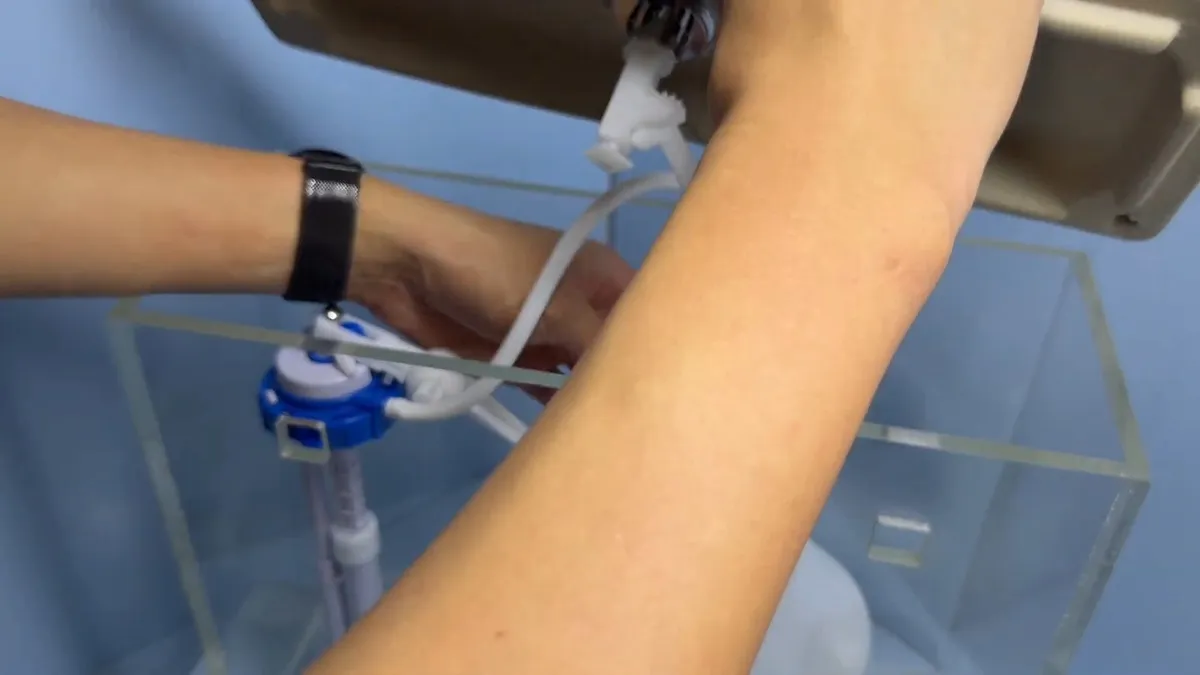
A toilet flapper that does not seal completely runs water continuously from the tank into the bowl and from the supply line into the tank. This continuous flow is silent, invisible, and can add 30 to 120 gallons per day to household consumption depending on the severity of the flapper failure. A simple dye test identifies it: place several drops of food coloring or a dye tablet in the toilet tank. Wait 15 minutes without flushing. If color appears in the bowl, the flapper is not sealing and the toilet is running continuously.
A running toilet that adds 60 gallons per day over a 30-day billing cycle adds 1,800 gallons to the bill, which at typical Surprise water rates can add $30 to $60. A toilet running at the higher end can add $100 or more. The fix is a flapper replacement or fill valve replacement, a quick repair covered on our toilet repair page.
Irrigation System: A Stuck Zone Valve
A stuck-open irrigation zone valve runs a zone continuously, delivering water at the zone’s full flow rate around the clock until the valve is closed or the controller is overridden. A six-station irrigation system with a stuck zone running at 5 gallons per minute for 30 days adds over 200,000 gallons to the billing period, which would produce a catastrophically high bill rather than a modest $50 increase.
More commonly, a valve that runs only during scheduled watering periods but runs the zone longer than programmed can add meaningful volume to the bill. Test each irrigation zone manually by running it through the controller and confirming it stops at the end of the scheduled run time.
How to Read the Meter: Ruling Out an Active Leak
Your Surprise water meter has a flow indicator, typically a small triangle or dial that rotates when any water flows through the meter. To test for an active leak, turn off every fixture, appliance, and irrigation controller in the home and then observe the meter flow indicator for five minutes. If the indicator is moving with everything off, water is flowing somewhere. This is either a concealed supply line leak, a slab leak, a running toilet that the dye test missed, or a pool autofill that is running continuously to compensate for a pool plumbing leak.
If the meter is moving with everything confirmed off, the next step is to call for a professional leak detection service. We use acoustic listening and thermal imaging to locate concealed supply line leaks and slab leaks without demolition. If you have a pool, a pool level drop that exceeds normal evaporation alongside a high water bill points to pool plumbing as the source.
Normal Seasonal Variation in Surprise Water Bills
Surprise water bills vary meaningfully by season. Summer outdoor irrigation drives significantly higher usage than winter months, and a summer bill that is 30 to 50 percent higher than a December bill is normal for households with active landscaping or pools. The most useful comparison for detecting an anomaly is the same billing period from the prior year, not the previous month. A summer bill that is 30 percent higher than the prior summer is worth investigating. A summer bill that is 30 percent higher than the prior winter bill may simply reflect normal seasonal usage.
Meter moving with everything off? That points to an active leak. Call us for leak detection.
Call (623) 253-0178