Surprise is one of the fastest-growing cities in the United States, with a population that has increased by nearly 400 percent since 2000. A significant portion of that growth consists of transplants from other states, many of whom have never lived in a hard-water desert environment. The plumbing differences between a Surprise home and what most newcomers have experienced elsewhere are real and worth understanding before or shortly after you arrive.
Hard Water: The Biggest Plumbing Adjustment for Newcomers
If you are relocating from the Pacific Northwest, the Great Lakes region, the Southeast, or New England, your previous home almost certainly had softer water than what comes out of your Surprise tap. The Central Arizona Project delivers Colorado River water to Surprise at 12 to 20 grains per gallon of dissolved calcium and magnesium hardness, which is classified as very hard and is roughly double the national average.
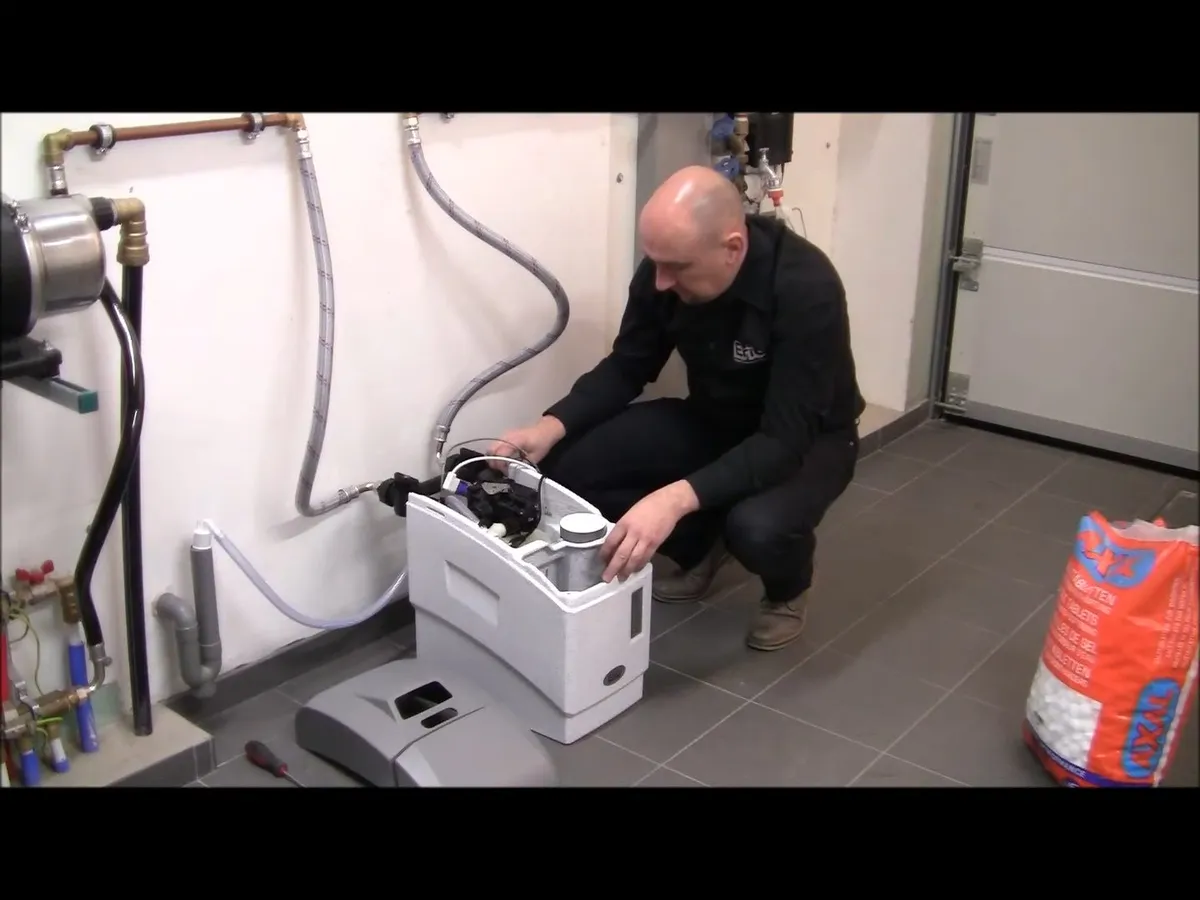
The visible consequences appear within the first few months: white scale deposits on showerheads, a film on glass shower doors after cleaning, clogged faucet aerators that reduce flow, and a soap-not-lathering-well sensation in the shower. The less visible consequences build over years: sediment inside the water heater tank that shortens its life, scale inside the dishwasher and washing machine, and scale narrowing the interior of supply lines. A whole-house water softener eliminates these issues at the source. It is one of the most effective first investments a Surprise homeowner can make.
The Water Heater That Came With Your Home
If you are purchasing a Surprise home that is 10 years old or older, pay close attention to the age of the water heater during the inspection. Under Surprise conditions, tank water heaters typically last 8 to 12 years before hard water sediment, garage heat (regularly above 110 degrees Fahrenheit in summer), and general wear bring them to the end of their practical life. A 10-year-old tank in a Surprise garage is past its expected service life and could fail in the first year of your ownership.
Ask your home inspector for the water heater’s serial number and date of manufacture, and look up the manufacture date if it is not visible on the label. If the unit is over 10 years old, budget for replacement in the first year. If it is 12 years or older, schedule an assessment promptly. See our water heater service page for more detail.
What to Inspect Before Closing on an Older Surprise Home
Beyond the water heater, a thorough pre-purchase plumbing inspection for any Surprise home should include:
- Supply line material identification: is the home plumbed with copper, PEX, galvanized steel, or (if built 1978-1995) possibly polybutylene? Galvanized and polybutylene both require repiping, which is a significant expense to factor into your offer.
- A sewer camera inspection of the lateral from the foundation to the street main. This is especially important for homes in Original Surprise (1960s-1980s) where clay tile laterals may be 50 years old, but is worthwhile for any home over 15 years old given Surprise’s root intrusion environment.
- Water pressure test at multiple fixtures to identify any supply line restriction or pressure regulation issues.
- Condition of the water heater, water softener (if present), and all visible plumbing connections in the garage and under sinks.
What Is Different About Plumbing in a Desert Climate
Surprise’s Sonoran low-desert location eliminates one plumbing concern that affects most of the country: frozen pipes. At roughly 1,156 feet of elevation, genuine pipe-freeze events in Surprise are essentially absent from the historical record. The outdoor pipe insulation, heat tape, and dripping faucet precautions that are standard in colder climates are not necessary here for interior supply lines, though outdoor pool equipment may benefit from basic protection on the occasional unusually cold January night.
Monsoon season (July through September) is Surprise’s main weather event that affects plumbing. Heavy short-duration rainstorms can overwhelm exterior drains, gutters, and downspouts that are not sized or positioned adequately. Before your first monsoon season, confirm that your home’s grading directs surface water away from the foundation and that all downspouts terminate away from the house. A pre-monsoon plumbing check is a practical step for all Surprise homeowners, including those in their first year in the desert.
One of the most common questions we hear from recent Surprise transplants is whether to install a water softener immediately or wait to see if they notice a difference. Our recommendation is not to wait. The scale damage accumulating inside the water heater, on shower surfaces, and in faucet cartridges begins from the first day of occupancy. The softener pays for itself in extended appliance life and reduced maintenance well within the first three years.
New to Surprise? We help new homeowners understand what their Surprise home's plumbing needs.
Call (623) 253-0178