New construction does not mean defect-free plumbing. Newer Surprise communities including Prasada, Asante, and Sterling Grove contain homes built during periods of high construction volume, and the plumbing installed under production schedules can contain errors that do not become visible for one to five years after occupancy. This post covers the most common defects, when they typically appear, and how to use the builder warranty period effectively.
Why New Construction Has Plumbing Defects
Production homebuilding in the Surprise area during peak periods involves teams of subcontractors working across many lots simultaneously under tight scheduling. Plumbing rough-in for a production home is typically completed in a day or two, and the supply line connections at stub-outs, drain slope settings, and backflow preventer adjustments are all performed under that schedule pressure. Most of these installations are correct. The ones that are not may not produce obvious symptoms until the home has settled and the first heating and cooling cycles have stressed the connections.
Common Plumbing Defects in Prasada and Newer Surprise Homes
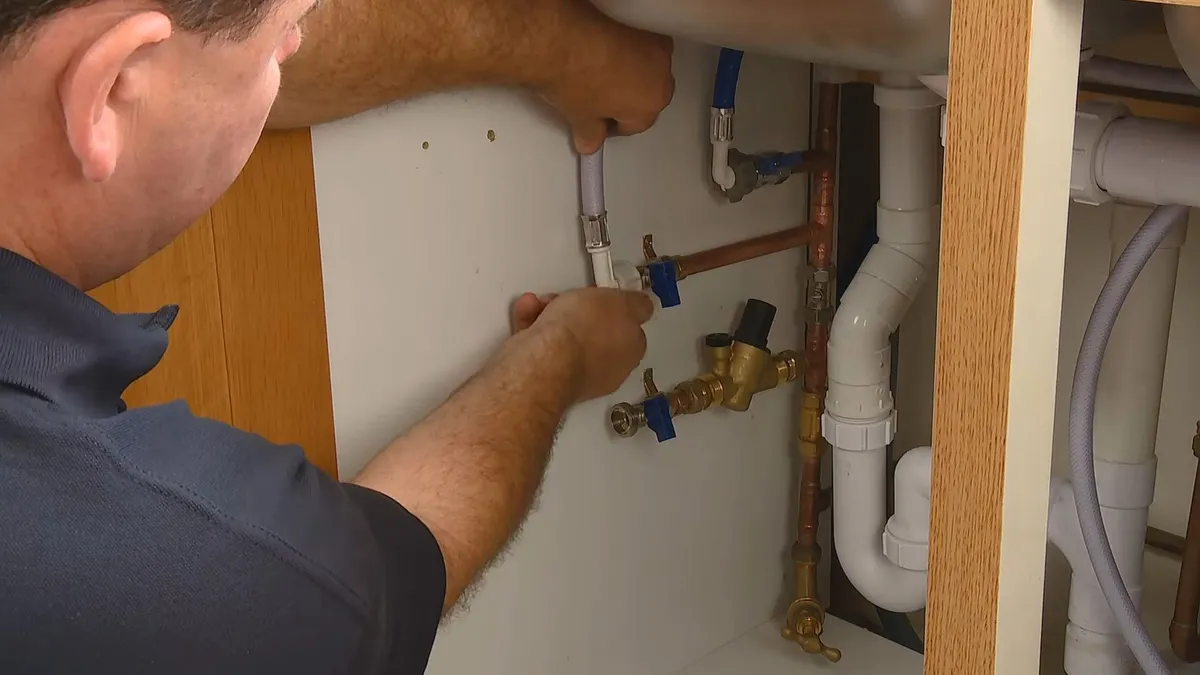
- Supply line connection failures: A fitting connection that was not fully torqued during installation may not leak initially but develops a small drip at the first fitting as the home settles and temperature cycles stress the joint. These leaks are often first noticed as a moist spot on drywall or a cabinet floor.
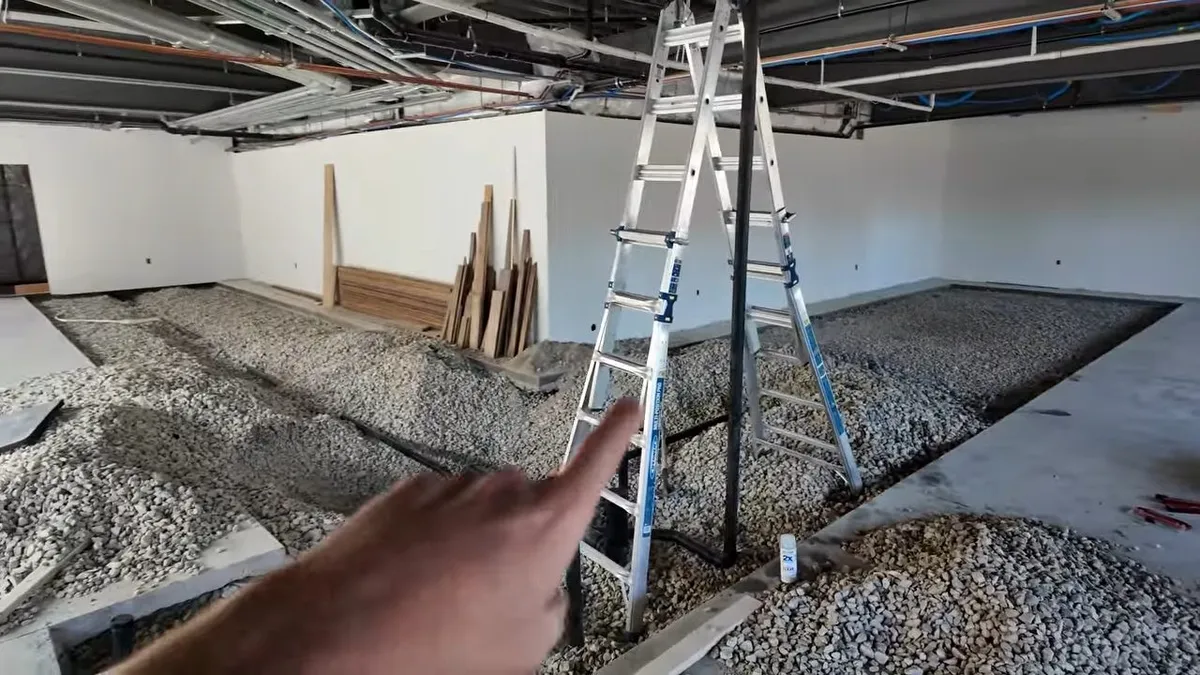
- Inadequate sewer lateral slope: Arizona plumbing code requires a minimum slope of one-quarter inch per foot fall toward the sewer main. A lateral installed at less slope than this may drain slowly or accumulate debris at low spots. This defect typically manifests as a slow drain from the first occupancy rather than a sudden backup.
- Irrigation backflow preventer issues: Backflow preventers installed at the irrigation system connection but not adjusted correctly can leak through the relief port continuously, or may not provide adequate protection during a pressure drop event.
- Toilet wax ring compression: Wax rings that were not fully compressed during toilet installation, or that seated on a flange set too low in the finish floor, can develop slow leaks at the base within the first year as the toilet settles.
- Water heater connections: Builder-grade water heater installations sometimes use flexible connectors that are undersized for the flow rate or oriented in a manner that stresses the connection over time as the heater expands and contracts thermally.
Using Your Builder Warranty Period
Most Surprise production homebuilders offer a one-year limited warranty covering workmanship defects, including plumbing. The critical strategy is to schedule a third-party home inspection at the 10-to-11-month mark, before the one-year warranty expires. A thorough inspection at this stage identifies any defects that have had time to manifest but are still within the warranty window. Any plumbing issues found should be submitted to the builder as a warranty claim in writing before the warranty expires.
For plumbing specifically, the 10-month inspection should include a camera inspection of the sewer lateral to establish a baseline of its condition while it is still under the builder warranty period. It should also include water pressure testing at multiple fixtures, visual inspection of all supply connections under sinks and at the water heater, and operation of every fixture to confirm correct function. We provide professional leak detection for new Prasada and Asante homes to identify any concealed connection failures that a visual inspection cannot reach.
After the Builder Warranty Expires
Once the builder warranty period has passed, all plumbing repair and maintenance costs fall to the homeowner. For Prasada and Asante homes now three to seven years old, this means the first generation of plumbing maintenance items is due: water softener performance assessment, the first backflow preventer test and report for the irrigation system, and addressing any slow drains that have developed since occupancy. Hard CAP water is acting on every Prasada faucet cartridge and water heater from the first day of occupancy, and the effects are cumulative regardless of how new the home is.
Hard Water in New Prasada and Asante Homes
Hard CAP water does not care how new the home is. A Prasada home occupied since 2018 has had 12 to 20 GPG of calcium and magnesium acting on every water-using surface and appliance since the day the water was first turned on. The builder- grade water softener installed as a standard option in many Prasada homes may be undersized or miscalibrated, making the hard water impact worse rather than addressing it. If your newer Surprise home has a water softener installed but you still see scale deposits on shower fixtures or faucet aerators after 12 months of occupancy, the existing unit may need recalibration, resin inspection, or replacement with a correctly sized model for your household.
Own a newer Surprise home? We can inspect for construction plumbing defects before your warranty expires.
Call (623) 253-0178