The oldest neighborhoods in Surprise, concentrated around the Grand Avenue and Bell Road corridors, contain housing stock from the 1960s, 1970s, and 1980s that presents plumbing challenges fundamentally different from the master-planned communities built after 1995. The supply line materials in these homes are now 40 to 60 years old, and many of them need replacement. This post covers what those materials are, how to identify them, and what the repiping process involves.
Galvanized Steel Supply Lines in Original Surprise
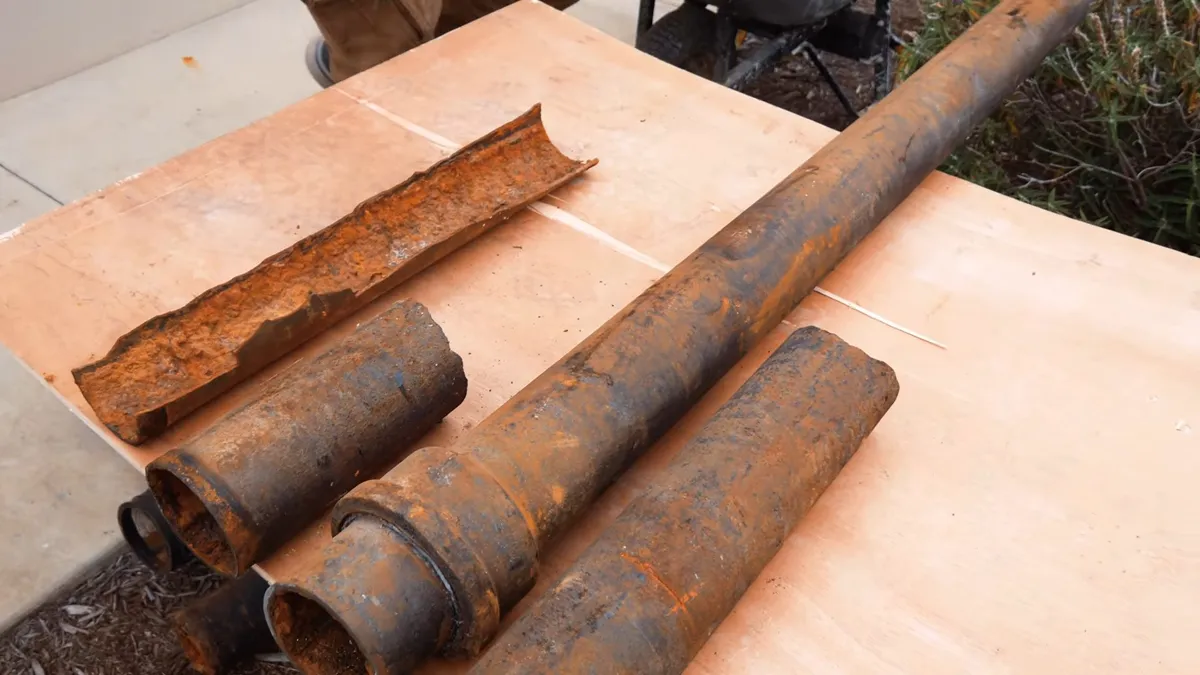
Homes built in Original Surprise before approximately 1975 were commonly plumbed with galvanized steel supply lines, the standard residential pipe material before copper became the dominant choice. Galvanized steel pipe is coated with a zinc layer to prevent rust, but that coating degrades over time in the hard-water conditions of Maricopa County, and the underlying steel then corrodes from the inside outward.
The corrosion process follows a predictable pattern. First, mineral scale from the hard CAP water supply builds up inside the pipe on top of the degrading zinc coating, gradually narrowing the effective internal diameter and reducing water pressure throughout the home. Eventually, pinhole corrosion penetrates the pipe wall at corrosion points, producing leaks. By this stage, the scale and rust buildup is often so advanced that patching the single leak does not address the underlying condition, and a second leak follows at a different location within months or years.
How to Identify Galvanized Steel Pipe
Galvanized pipe is silver-gray in color and slightly rough on the exterior surface. A magnet sticks to galvanized steel. At fitting connections and at the water heater connections in the garage, you may see white or yellow calcium deposits at thread joints. If you look inside the end of a cut galvanized pipe section, the interior will typically be orange-brown with corrosion and scale deposits significantly reducing the internal bore compared to the original diameter. If you are uncertain whether the pipe in your Original Surprise home is galvanized steel or copper, a licensed plumber can identify the material during a service call without any destructive access.
Polybutylene Pipe in 1978-1995 Original Surprise Homes
Homes built between approximately 1978 and 1995 in the Original Surprise area may have been plumbed with polybutylene (PB) pipe, a gray plastic material that was widely used in production homebuilding during that period due to its low cost and ease of installation. Polybutylene pipe is now known to degrade when exposed to chlorinated water and to fail suddenly without any visible surface deterioration. A polybutylene system that appears intact and has never produced a visible leak may be months away from a catastrophic failure.
Polybutylene pipe is identified by its gray color (not to be confused with PEX, which is also sometimes gray but has different physical characteristics), and by the marking “PB2110” or similar on the pipe body. If your Original Surprise home was built between 1978 and 1995 and you have not confirmed the supply line material, we can identify it during a service call.
The Repiping Process for an Original Surprise Home
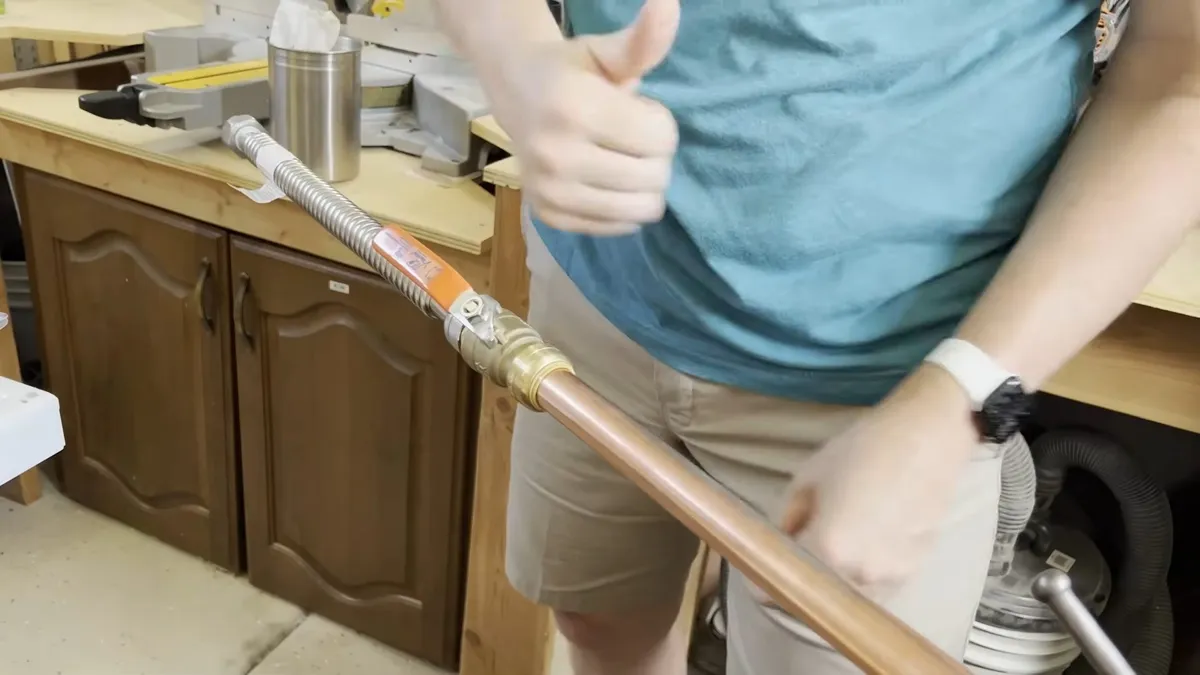
A whole-home repipe in Original Surprise replaces all supply line material in the home with new PEX tubing or copper pipe. PEX is the most common choice for residential repiping today: it is flexible, freeze-resistant (not that this matters much in Surprise), resistant to scale buildup on the interior, and significantly less expensive than copper. Copper remains an option for homeowners who prefer it and are comfortable with the higher material cost.
The repiping process for a typical Original Surprise single-family home takes one to two days. The work requires small access openings in drywall at specific locations to route the new pipe through the walls, which are then patched. A Maricopa County permit is required for whole-home repiping, and the work is inspected by a county building inspector before the walls are closed. Water service to the home is interrupted during the installation day and restored when the new system is pressurized and confirmed leak-free. See our repiping service page for detail on the full process, material options, and what to expect during the project.
Sewer Lateral Assessment for Original Surprise Homes
While assessing the supply lines in an Original Surprise home, it is worth including the sewer lateral in the evaluation. Clay tile sewer laterals from the 1960s are now over 60 years old and are commonly showing root intrusion from established desert trees, offset joints from decades of soil movement, and in some cases partial collapse. A sewer camera inspection of the lateral provides a video record of its condition and helps determine whether the line needs spot repair, trenchless lining, or full replacement. We recommend combining the repipe assessment with a lateral camera inspection for any Original Surprise home built before 1985 that has not had recent lateral work documented.
Own a 1960s-1980s home in Original Surprise? We can assess your supply line condition.
Call (623) 253-0178